


A flying theater does not have one standard project price. The cost depends on the selected equipment, seating capacity, screen and projection configuration, film content, site preparation and delivery scope. A useful quotation should identify these items clearly so you can distinguish the equipment price from the total investment required to open the attraction.
Flying theater cost depends on the seating capacity, motion system, screen and projection configuration, film content, site preparation and delivery scope. There is no single price that applies to every project. To build a realistic budget, separate the equipment quotation from the additional costs required to install and open the attraction at your venue.
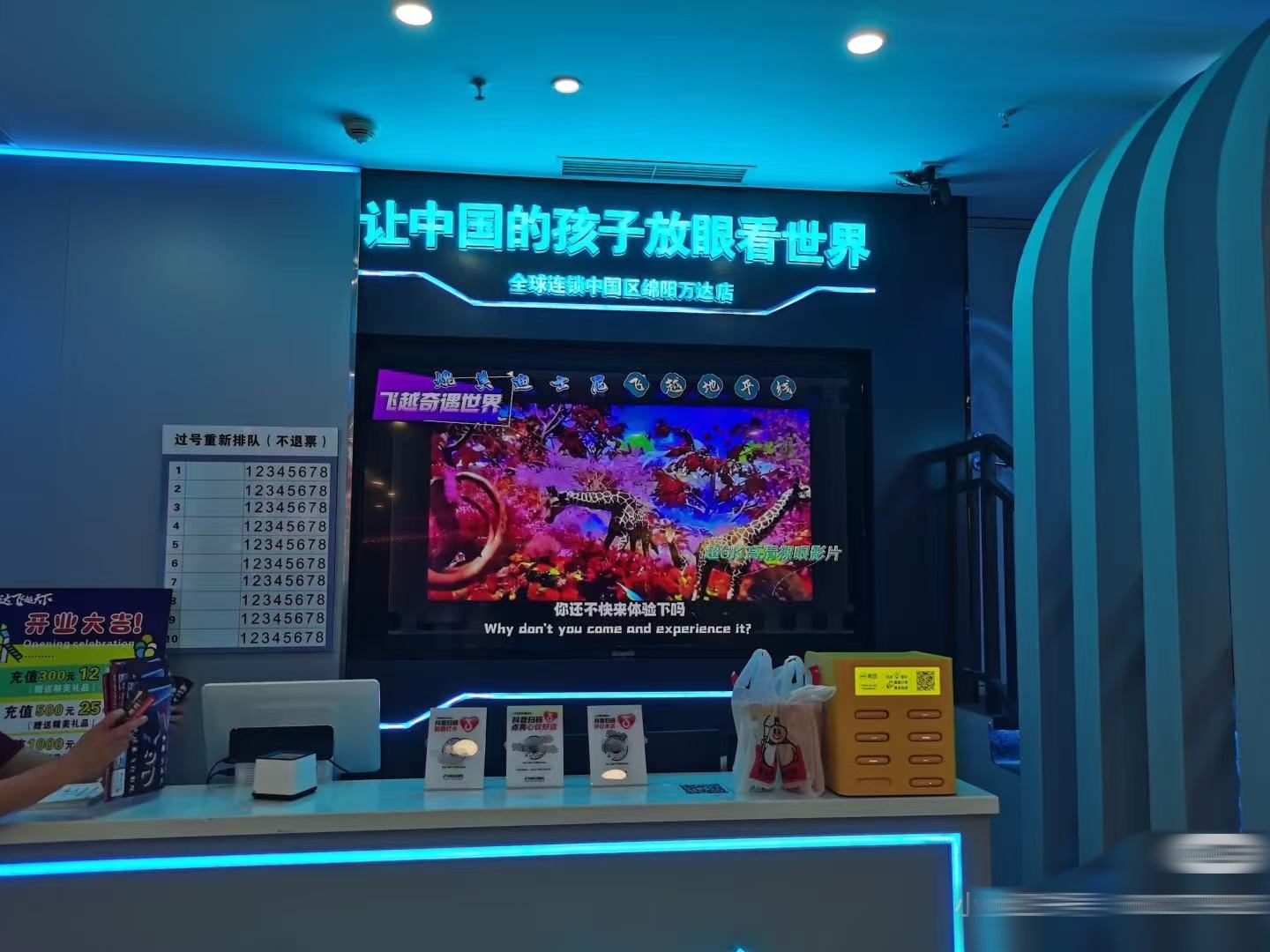
Start with the equipment configuration
The seating platform, motion system, screen, projection, audio and controls form the core of the attraction. The number of seats matters, but the mechanical arrangement and visual system also influence the specification.
Ask for a model-specific list of supplied components. Confirm which environmental effects are included and whether any are optional. Review the equipment specification alongside the layout so that the budget refers to a system that fits the proposed venue.
You can start with our commercial flying theater equipment and request a configuration based on your project dimensions and intended capacity.
Separate site work from the equipment price
Building preparation may include structural work, electrical distribution, interior finishes, ventilation and changes to guest circulation. The work required depends on the existing site and the agreed design.
An equipment offer should state whether any of these items are included. When local contractors are responsible, obtain their estimates using the supplier’s requirements. Otherwise, a budget that looks complete at the equipment stage may still leave essential opening costs unaccounted for.
The same principle applies to professional services and approvals required for the project location. Identify who is responsible for arranging them and include the relevant allowances in the project budget.
Define the film and software scope
Film content is part of the delivered experience, so its commercial terms belong in the budget discussion. Confirm the included titles, permitted use, compatible playback configuration and conditions for future updates.
A custom film may involve additional work such as story development, modeling, animation, rendering and motion programming. Discuss these deliverables separately from access to an existing film library. WowflyCinema’s film content services include library content and custom production; the quotation should specify what applies to your project.
Allow for delivery and installation
Check where the supplier’s delivery responsibility begins and ends. Packing, international freight, insurance, destination handling, inland transport and import-related charges may be included or excluded depending on the agreed terms.
Installation also needs a clear scope. Confirm whether the price covers technical personnel, travel, accommodation, local labor, unloading and lifting equipment. The allocation can differ between projects. List these responsibilities before comparing the final totals.
For any shipping term in the quotation, request a named place or port and a written explanation of the costs assigned to each party.
Build a project budget with separate cost groups
Use the following groups to organize supplier and local contractor estimates:
- Equipment and controls for the selected configuration.
- Screen, projection and audio where quoted separately.
- Film licensing and any custom content production.
- Site preparation and building services.
- Delivery, handling and installation.
- Commissioning, training and opening preparation.
Add a project contingency appropriate to the information still unresolved. Keep provisional allowances identifiable so they can be replaced by confirmed figures as the design develops.
Plan operating costs alongside the initial investment
Staffing, electricity, maintenance, spare parts and any recurring software or content charges affect the operating budget. Ask for the relevant equipment data and support terms, then apply local prices and your planned opening hours.
Revenue assumptions should be considered separately. Seat count alone does not predict ticket sales, and a supplier’s general example cannot establish the payback period for your venue. Use realistic attendance scenarios and account for boarding time, operating interruptions and other local expenses.
Request a quotation that matches your site
Send your project country and city, venue plan, clear ceiling height, preferred capacity, target opening date and scope of work. State whether you need equipment supply only or a turnkey flying cinema solution.
Contact WowflyCinema to discuss a project quotation. A defined scope will help you understand the proposed investment and compare options without overlooking the work needed at your venue.
Frequently asked questions
Can I receive an initial estimate before final design
You can request a preliminary proposal, but its assumptions and exclusions should be stated. Update the budget after the site and configuration are confirmed.
Does turnkey mean every local cost is included
Do not assume so. The contract should identify the included work, exclusions and responsibilities of the supplier and venue owner.
Is a lower equipment price always the lower total cost
No. Compare equivalent specifications, delivery scope, installation support and operating requirements before making that judgment.