
Flying Theater Guides for Venue Owners

Compare flying theaters, dome theaters and track cinema systems. Explore practical guides to project costs, venue layouts, equipment selection and daily operation.

Our Blog

Gain Enterprise Insights • Capitalize on Policy Dividends • Lead Product Innovation

Flying Cinema Solutions for FECs: Planning Your Attraction Mix

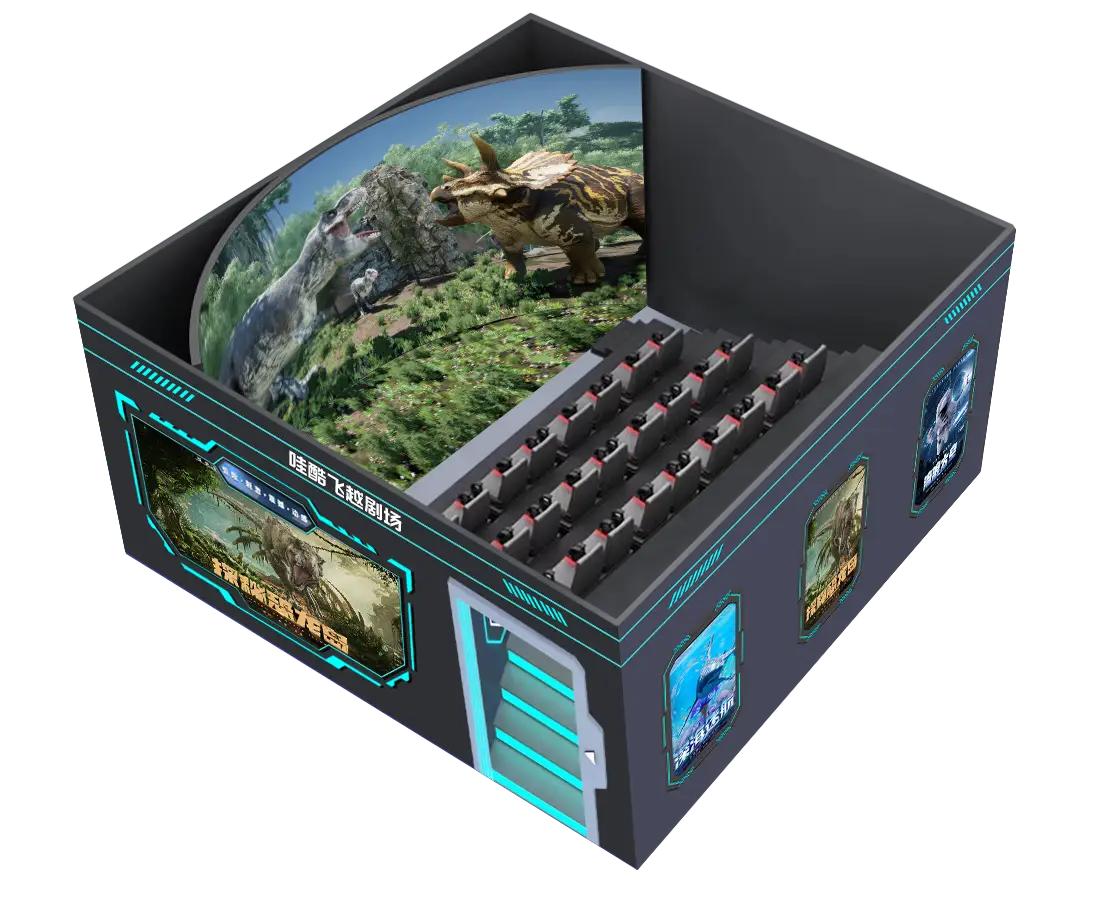
Flying cinema solutions for family entertainment centers should be evaluated alongside the attractions already operating in the venue. The question is not simply whether the ride looks exciting. It is whether it adds a useful experience, fits the way guests visit and can be supported by the operating team. For an established FEC, start with your current attraction mix before requesting an equipment proposal. This guide focuses on that expansion decision rather than on general room dimensions or installation costs. Identify the experience you want to add List your existing attractions and the way guests use them. Which are played
Read More »

4D Flying Theater: How Visuals, Motion and Effects Work Together

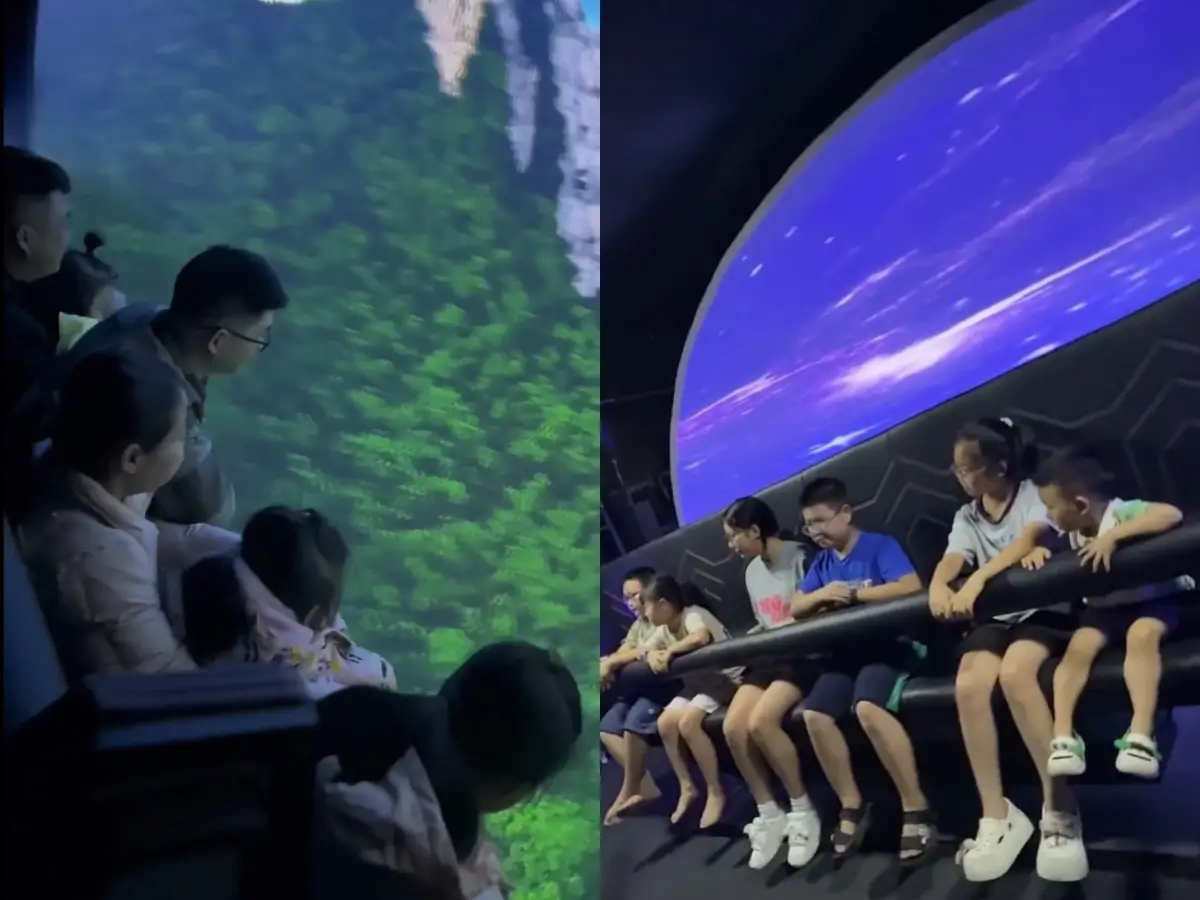
A 4D flying theater proposal can sound impressive when it lists a panoramic screen, moving seats and environmental effects. For a venue owner, however, the more useful test is how those elements work together throughout a complete show. Does the movement support what guests see? Do effects arrive at meaningful moments? Does the experience have a clear beginning and ending? This guide uses “4D flying theater” to describe the combination of filmed visuals, physical motion and environmental effects. Treat the phrase as a starting point for discussion, not a complete equipment specification. Ask each supplier to describe the actual viewing

Read More »
Row of theater seats in front of an illuminated dome screen, with a monitor beside the seats.

Dome Theater Equipment: What to Confirm in Your Supplier Proposal

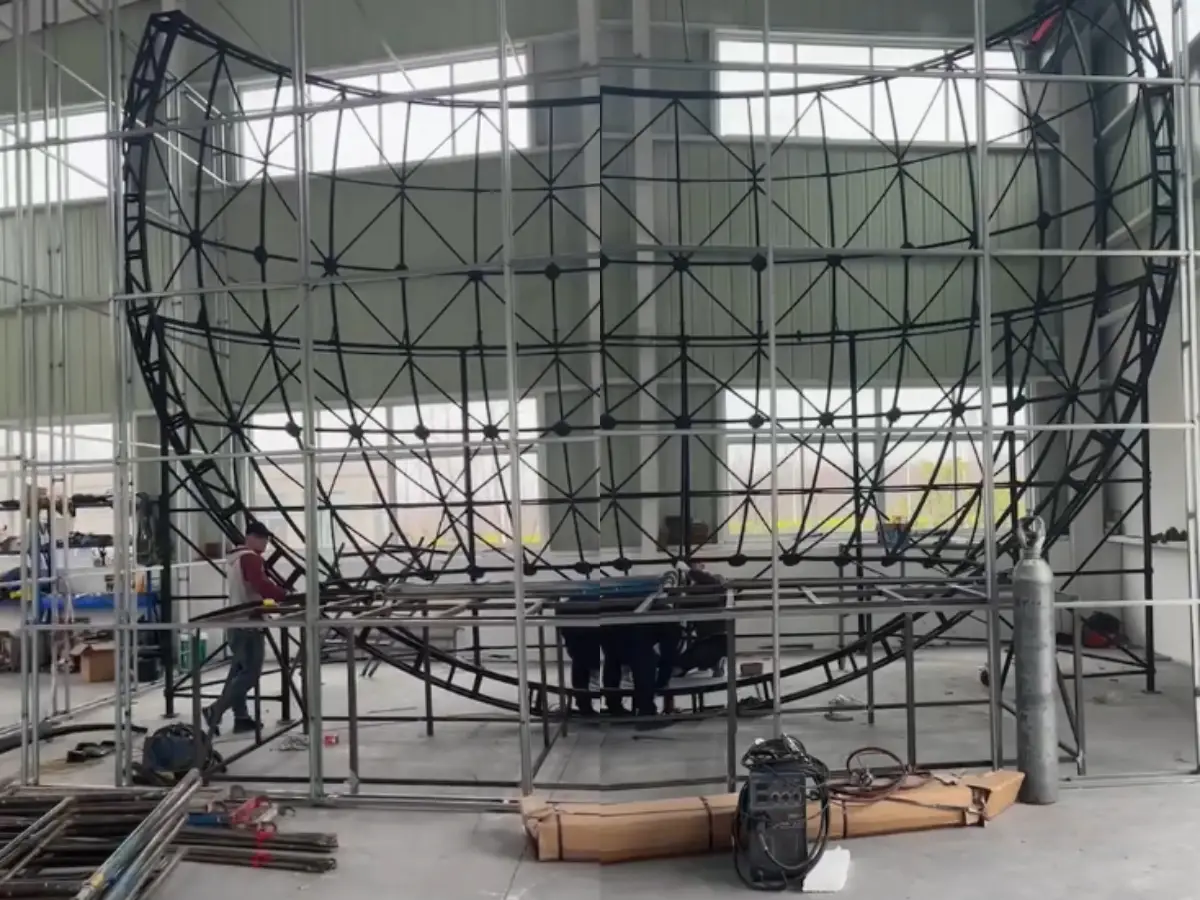
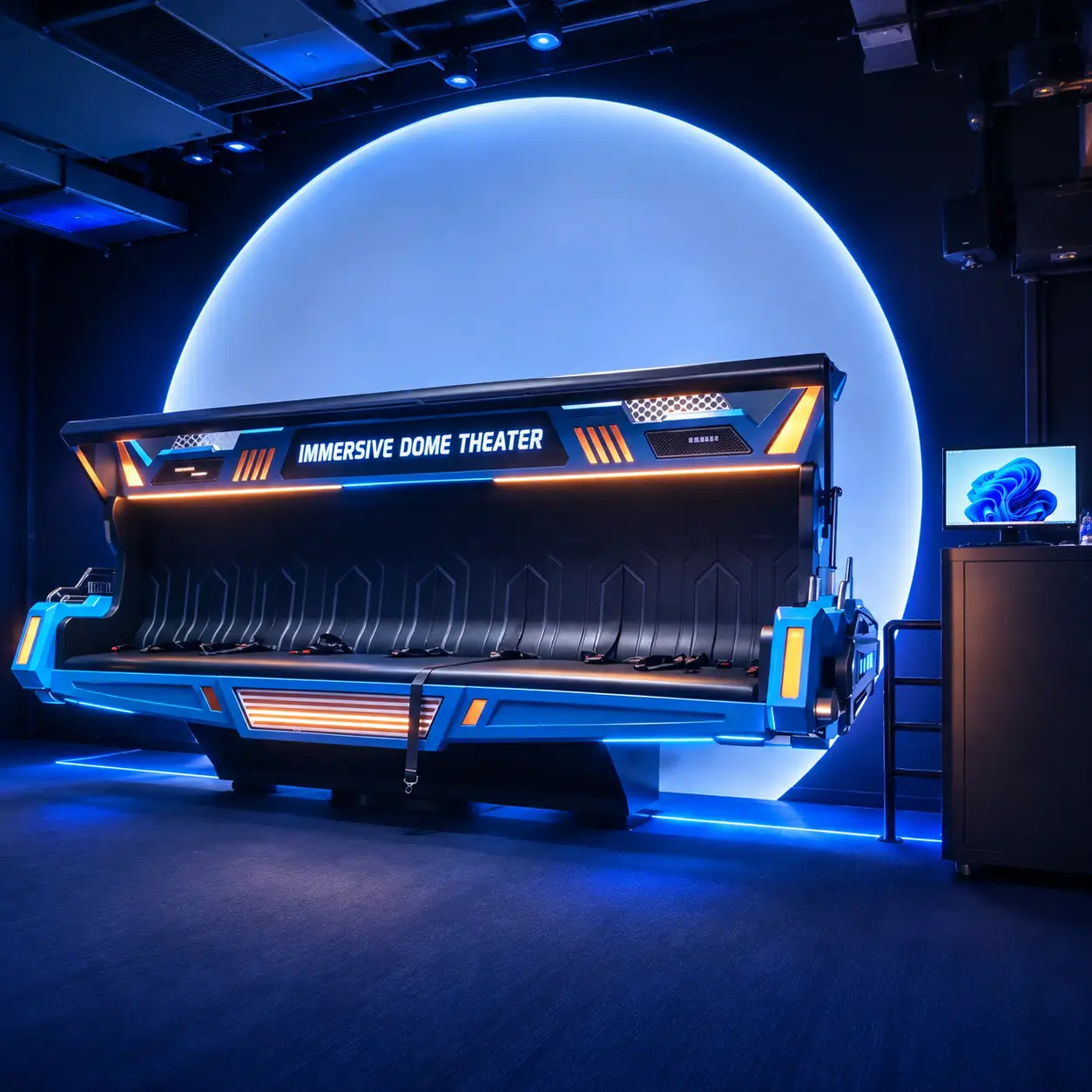
Dome theater equipment should be evaluated as a coordinated system. A seating platform, a curved display and a film may each look convincing in a brochure, but a procurement decision requires a written explanation of how they fit together and what the supplier will deliver. For a theme park, shopping mall or tourism venue, the first step is to define the attraction format. This guide focuses on WowflyCinema’s upright dome-screen attraction with rotating motion seating. It is not a specification for every venue described as a dome cinema. Start with a configuration-specific equipment schedule Ask for a schedule that identifies

Read More »
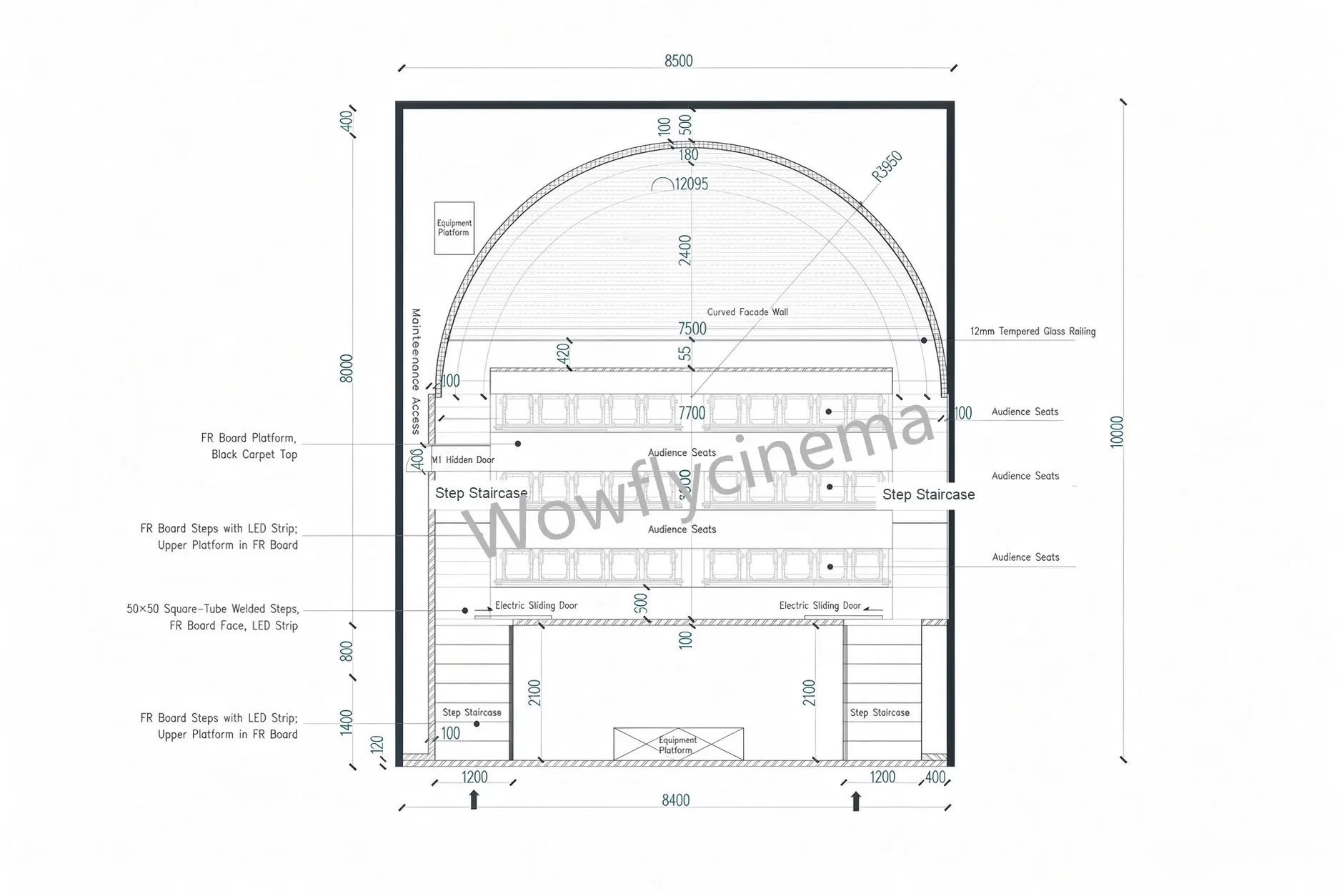
Flying theater layout showing equipment access and maintenance space

Flying Theater Maintenance Planning: Access, Downtime and Support

Flying theater maintenance planning starts before the attraction opens. The venue needs to know how service personnel will reach the equipment, when planned work can take place, and what information the supplier needs when support is requested. These decisions affect the layout, the operating schedule and the ongoing budget. This guide covers preparing that plan. Inspection methods, service intervals and return-to-operation decisions must follow the documentation for the selected equipment and the responsibilities assigned to qualified personnel. 1. Review maintenance access on the proposed layout A guest route and a service route serve different purposes. A layout that works during

Read More »

Dome Theater Cost Beyond the Equipment Price

Dome theater cost depends on the specified equipment and the work needed to make it operational at your venue. A quotation for a seating platform cannot be compared directly with a package that also covers the screen, projection, content and installation. Start by defining the same scope for every proposal you request. Treat dome theater cost as a project budget, with the equipment offer, local work and opening preparation recorded separately. This guide explains seven areas to check before ordering. It does not present a universal selling price: the selected configuration, delivery destination, building conditions and service responsibilities need to

Read More »

Dome Theater Planning: Will Your Space Work?

Dome theater planning should begin with a measured venue plan and a defined attraction format. The screen, rotating seats, projection positions and guest routes need to work in the same room. Choosing a screen first and fitting everything else around it can leave unresolved boarding, maintenance or installation problems. Our dome theater product page shows an upright curved screen with a rotating motion seating platform. The checks below focus on that commercial configuration. They help venue owners prepare information for a supplier review before approving drawings, starting interior work or committing to an opening schedule. 1 Define the attraction format and

Read More »