


Dome theater cost depends on the specified equipment and the work needed to make it operational at your venue. A quotation for a seating platform cannot be compared directly with a package that also covers the screen, projection, content and installation. Start by defining the same scope for every proposal you request.
Treat dome theater cost as a project budget, with the equipment offer, local work and opening preparation recorded separately. This guide explains seven areas to check before ordering. It does not present a universal selling price: the selected configuration, delivery destination, building conditions and service responsibilities need to be reviewed first.
1 Define the dome theater cost scope
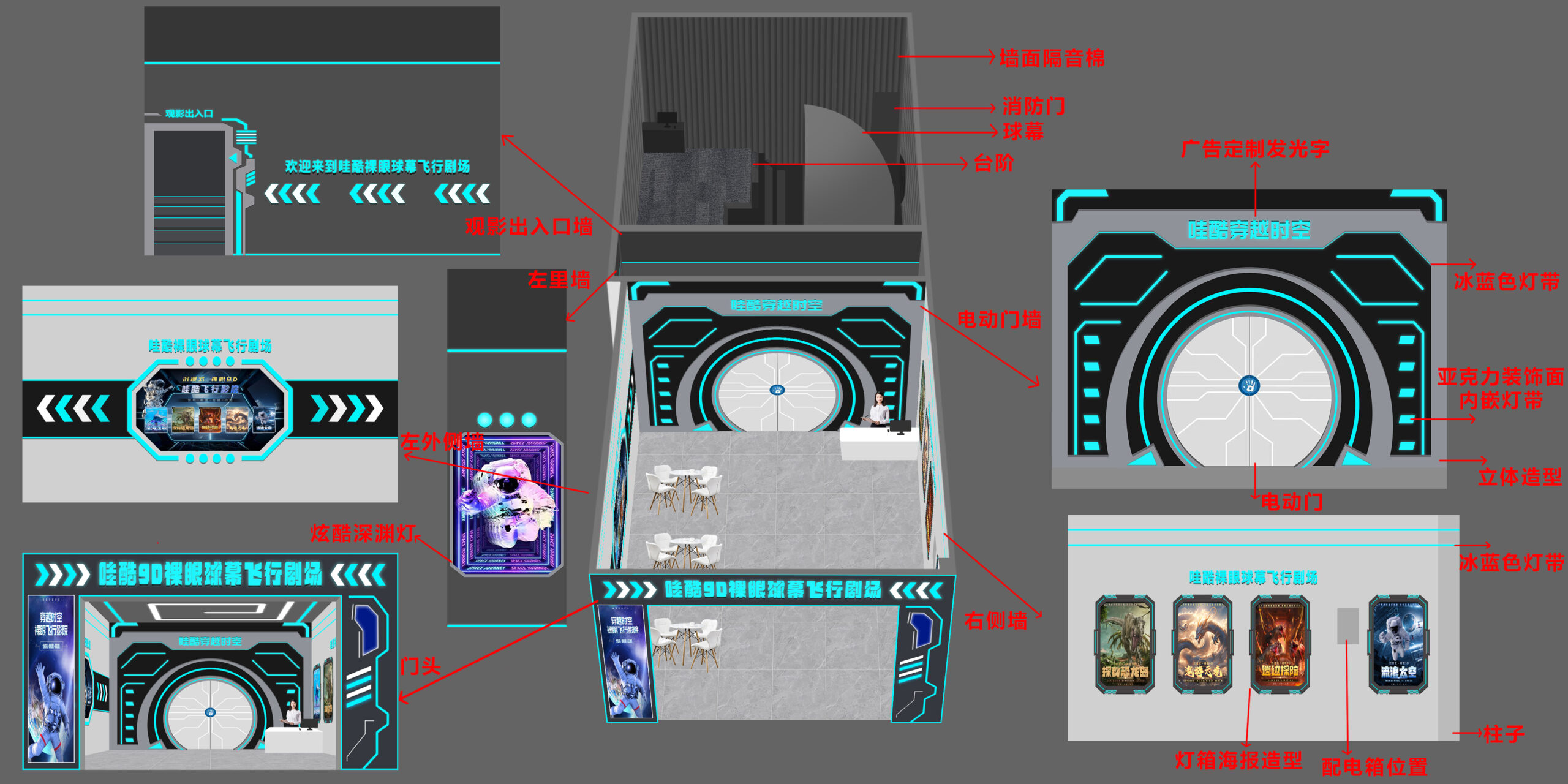
Use the configuration on our dome theater equipment page as a starting point for discussion, then request an itemized proposal for your project. Identify the screen system, rotating seating platform, motion equipment, controllers and selected effects. Specify which components are included, optional, supplied locally or excluded. Ask for quantities and model references where applicable.
Compare dome theater cost using the same accepted layout and equipment list. Record changes between proposal revisions so a lower total is not mistaken for a saving when a component has been removed. Keep requested upgrades in a separate options list until approved. The supplier and buyer should be able to identify the exact configuration associated with each quotation.
2 Check the complete visual and audio package
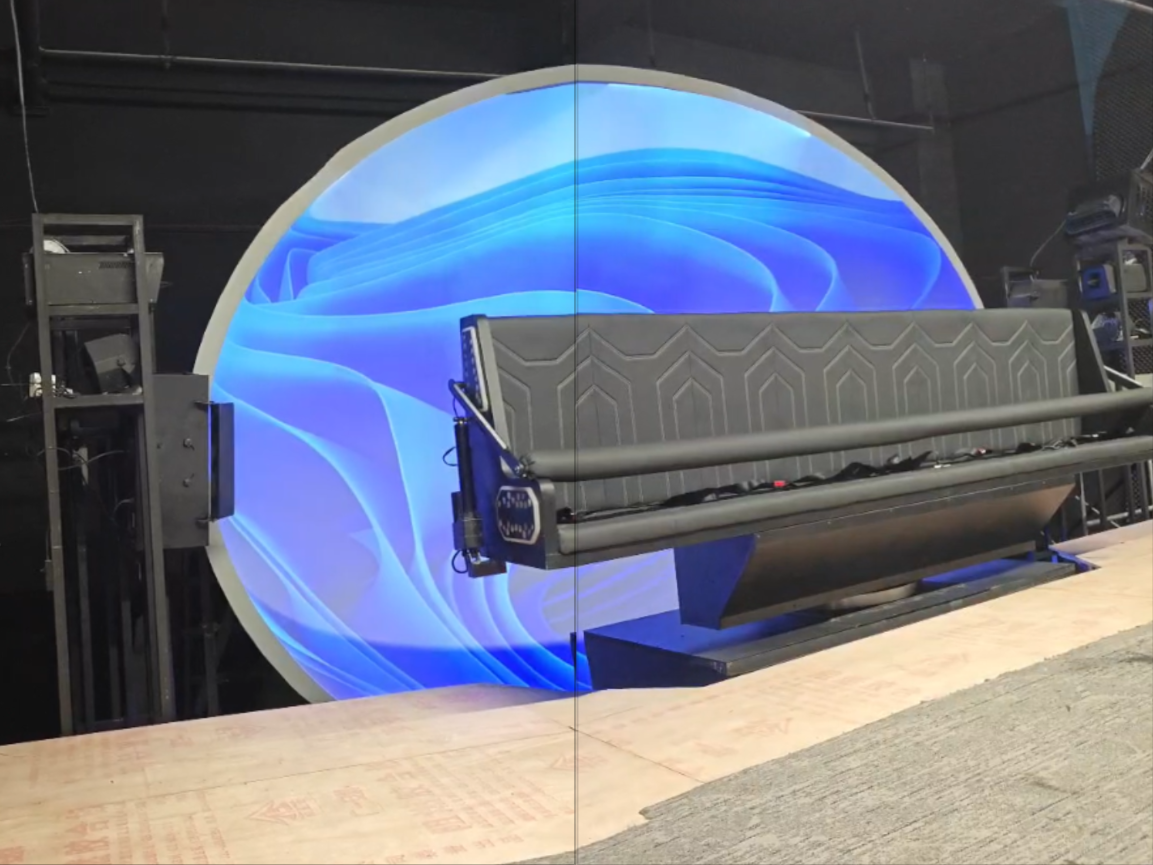
Ask whether the offer includes screen structure, screen surface, projection hardware, lenses, mounting hardware, media playback, audio equipment and calibration. Identify any items priced under a different contractor’s scope. A headline resolution or a projector count does not establish whether the package will cover the proposed screen correctly from the intended seating positions.
To compare dome theater cost fairly, record what the visual price actually covers and which acceptance checks will confirm the result. Discuss the proposed film, room lighting and service access alongside the hardware. Ask how replacement parts and adjustments will be handled after installation. If an alternative visual configuration is proposed, compare its design and support requirements before accepting the apparent price difference.
3 Obtain local estimates for building and site work
Request the supplier’s site interface information before asking local contractors to quote. Depending on the proposal and existing building, local work may involve power distribution, equipment supports, ventilation, room finishes, control positions and installation access. Confirm requirements with the appropriate professionals rather than treating a promotional floor plan as a construction instruction.
Separate landlord work from the venue owner’s work and the equipment supplier’s work. Obtain estimates for tasks that remain outside the equipment contract, including any applicable local reviews and permissions. Mark assumptions that have not been checked. A dome theater cost comparison is incomplete when one proposal includes these activities and another leaves them outside the stated total.
4 Identify film rights and content service charges
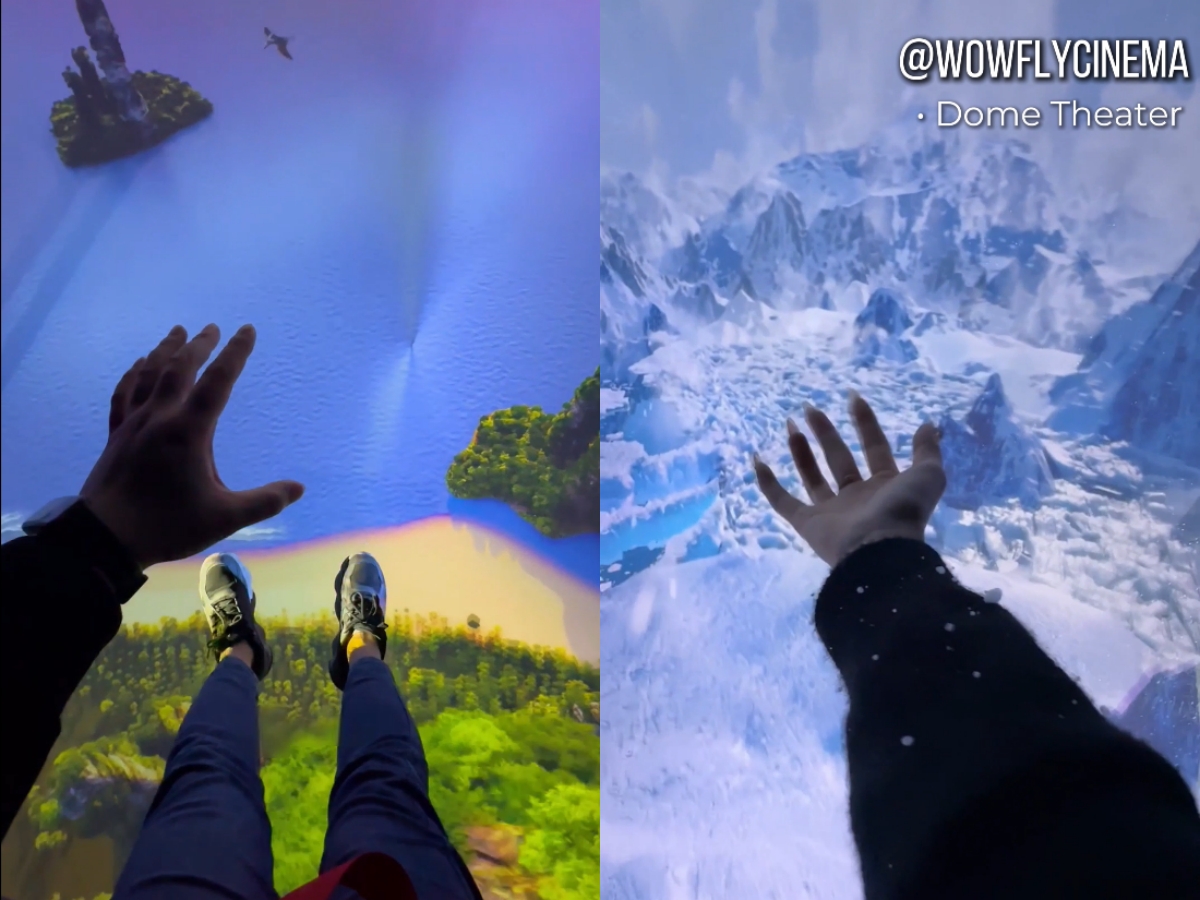
Review our film content library with the proposed equipment in mind. Ask which titles, languages and playback versions are included, whether motion and effect programming is covered, and what commercial exhibition rights are offered. Do not treat a downloadable video, a catalog entry and a licensed attraction show as interchangeable deliverables.
Record content charges within the dome theater cost breakdown, including any separate adaptation, localization or custom production work you request. Clarify the terms for later updates and the process for technical approval. Also ask whether promotional stills or clips can be used in advertising. Confirm those permissions in the actual agreement before commissioning launch materials or announcing a film program.
5 Clarify transport imports and delivery responsibilities
An overseas dome theater cost estimate needs a defined delivery basis. Request packing information and identify the named delivery location, loading and unloading responsibilities, insurance arrangements and onward transport. Ask a freight provider and an appropriate local import adviser to estimate the charges relevant to your shipment. Do not apply a generic tax percentage from another project.
For background, the International Chamber of Commerce explains Incoterms rules and how they clarify delivery tasks, costs and risks between sellers and buyers. Confirm the agreed rule, edition and named place in the contract. Record any additional site handling arrangements separately; a delivery term alone does not establish who will move equipment through your building or install it.
6 Price installation commissioning and staff handover
Ask whether the proposal covers onsite installation, remote guidance or a combination of both. Define who supplies local labor, tools, lifting arrangements and access. Confirm responsibility for travel and accommodation when technicians attend the venue. Our turnkey solution overview introduces available project services, while the written offer establishes the scope and charges for your order.
Include testing, calibration, operator training and handover materials in the dome theater cost review. Ask what documents and demonstrations will be provided before acceptance. Link payments and project milestones to the agreed commercial terms, not to assumptions about what turnkey usually means. Keep a record of unresolved work and how it will be completed before the attraction enters public operation.
7 Review dome theater cost beyond opening day
Build a separate operating estimate for staffing, energy, cleaning, effect consumables, planned maintenance, spare parts and any continuing content or support fees. Request consumption information for the proposed configuration and combine it with local tariffs and your intended schedule. Model several operating scenarios instead of treating fully occupied sessions as guaranteed demand.
Keep recurring expenses distinct from the initial dome theater cost, then allow a project reserve for clearly identified unresolved work. Avoid counting the same item in both the supplier package and a local contractor’s estimate. Before ordering, review each budget line for its scope, responsible party, currency, validity and exclusions. Update estimates when the layout, content or delivery assumptions change.
Frequently asked questions
What information helps estimate dome theater cost
Provide the country and city, measured floor plan, usable height, preferred configuration, intended audience, opening goal and required supplier services. Say whether you need equipment only or a broader package, and identify site work that another contractor already covers.
Does a turnkey quotation include every local expense
Only the written inclusions establish what is covered. Check local construction, permits, imports, unloading, utilities and technician expenses individually. Ask for exclusions and owner responsibilities to be listed before comparing totals or approving an order.
Can an equipment quote establish a payback period
No. A dome theater cost quotation does not establish attendance, ticket revenue or operating profit. Any payback model needs its own demand assumptions, operating expenses and sensitivity checks. Treat those calculations as scenarios rather than promised results.
For a dome theater cost proposal from WowflyCinema, send your venue plan and purchasing brief. Specify the services you want quoted and the work you expect to arrange locally. Request an itemized offer with clear inclusions, exclusions and delivery responsibilities, so your team can complete the remaining local estimates and compare the total project scope.