


Flying cinema, 5D cinema and VR rides combine visual content with physical experiences in different ways. For a venue operator, the choice depends on the available space, preferred guest experience, session capacity and daily operating requirements.
This guide compares projection-based flying theaters, 5D motion theaters and seated VR simulators. Use it to identify the equipment you want to evaluate before requesting a layout and quotation.
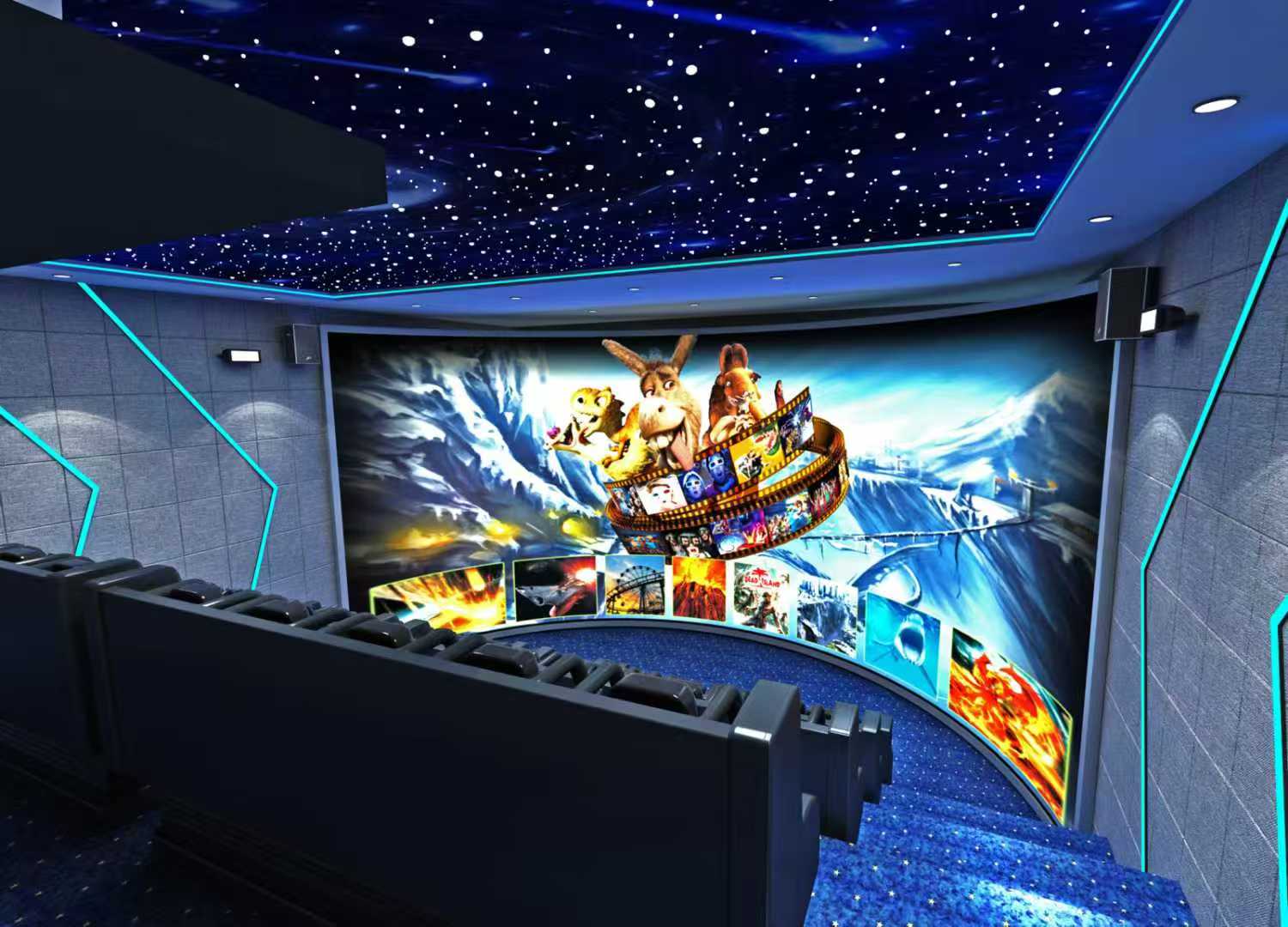
1. Compare the Three Attraction Formats
| What to compare | Flying Cinema | 5D Cinema | Seated VR Ride |
|---|---|---|---|
| Visual display | A shared screen, often curved or dome-shaped | A shared cinema screen, commonly showing stereoscopic films | An individual VR headset for each guest |
| Motion experience | Seat or platform movement synchronized with the film | Motion seating synchronized with the film and selected effects | Simulator movement synchronized with the headset experience |
| Guest equipment | Confirm whether the selected film and display require viewing glasses | Viewing glasses for stereoscopic content | VR headset and any equipment required by the selected experience |
| Capacity | Determined by the selected seating configuration | Determined by the seating layout and room arrangement | Determined by the number of simulator seats or stations |
| Space planning | Screen, seating, movement clearances, boarding and service access | Screen, seat rows, aisles, effects and service access | Simulator footprint, operating clearances, guest access and headset handling |
| Between sessions | Guest unloading, checks and boarding | Guest turnover, glasses handling and checks | Guest turnover, headset cleaning, fitting and checks |
| Content compatibility | Confirm film format and motion programming for the selected system | Confirm film, motion and effects compatibility | Confirm headset, software and simulator compatibility |
2. How to Compare Capacity and Throughput
Seat count tells you how many guests can join one session. Hourly throughput also depends on the full cycle time, including the experience, unloading, checks and boarding.
For an initial estimate, use the following calculation:
Theoretical hourly capacity = seats per session × 60 ÷ total cycle time in minutes.
For example, a hypothetical 12-seat attraction with a 10-minute total cycle has a theoretical capacity of 72 guests per hour. Actual attendance will depend on seat occupancy, operating interruptions and visitor demand.
3.What Space Does Each System Need?
Compare layouts for the exact equipment models you are considering. A flying cinema needs room for its screen, seating structure and movement clearances. A 5D cinema layout includes seat rows, aisles and screen viewing distances. A seated VR ride needs space around the simulator for guest access and operation.
Provide the usable room dimensions, clear ceiling height, column positions and delivery route before finalizing a configuration. The installation plan should also show boarding and maintenance access.
Check Flying Theater Space Requirements →
4.Compare Operating Costs and Project Budget
Request quotations that identify the equipment configuration, content provision and additional project costs. Include shipping, installation, travel, site preparation and any required electrical or interior work in your budget.
For daily operations, compare staffing, power use, cleaning, consumables and maintenance requirements for the selected models. Headset-based equipment also requires a process for fitting, cleaning and storing the headsets.
At WowflyCinema, film content is provided with the equipment at no additional charge. Shipping, installation and travel expenses are quoted separately. Confirm the supplied content and its compatibility in your project quotation.
5.How to Evaluate Revenue and Payback
Build the revenue estimate from your expected paid attendance and realized ticket price. Then account for staffing, rent, utilities, maintenance and other operating costs.
Use conservative, expected and high-attendance scenarios to see how changes in visitor demand affect the project. Compare the equipment options using the same operating days and cost assumptions.
6.Which Format Fits Your Venue?
| Your project goal | Equipment to evaluate |
|---|---|
| A shared flying experience using a large screen | Flying cinema |
| A group cinema experience with motion seats and environmental effects | 5D motion theater |
| A headset-based ride with individual viewing | Seated VR simulator |
| A multiplayer experience where guests move on foot | Free-roam VR equipment |
7.Request a Layout for Your Project
Send us your project location, available floor plan, clear ceiling height, preferred capacity and estimated budget. We can review suitable equipment configurations and prepare a project quotation.