


Flying cinema solutions for family entertainment centers should be evaluated alongside the attractions already operating in the venue. The question is not simply whether the ride looks exciting. It is whether it adds a useful experience, fits the way guests visit and can be supported by the operating team.
For an established FEC, start with your current attraction mix before requesting an equipment proposal. This guide focuses on that expansion decision rather than on general room dimensions or installation costs.
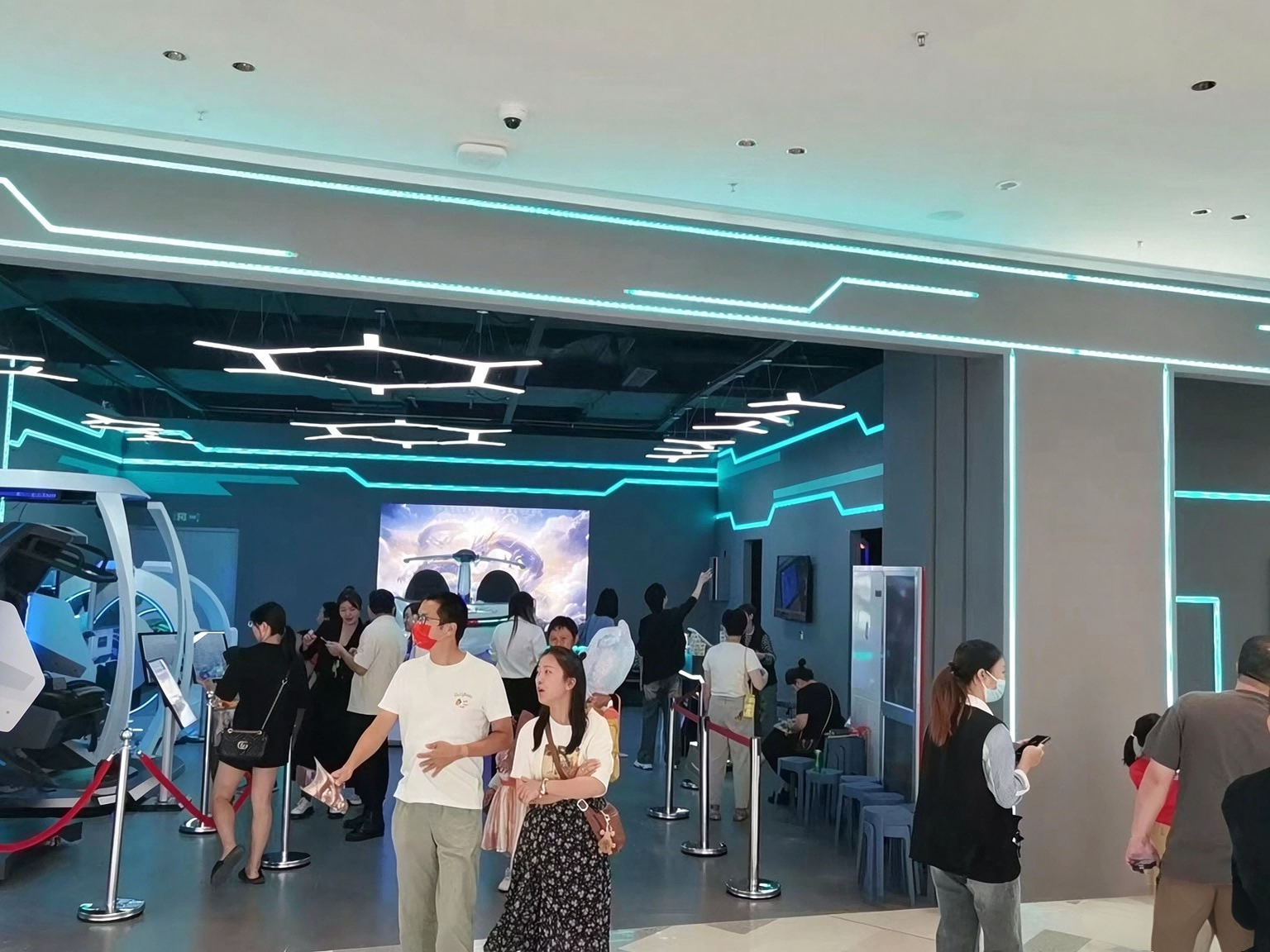
Identify the experience you want to add
List your existing attractions and the way guests use them. Which are played individually? Which involve a group? Which allow guests to join at any time, and which operate in sessions?
A flying cinema can be considered as a shared, scheduled experience within that mix. Decide what role it should serve: an additional activity for eligible family members, an optional group-booking experience or a separately ticketed attraction. These are planning options, not promises of higher spending or repeat visits.
The term “family entertainment” does not mean every attraction is suitable for every age or guest. Obtain the selected equipment’s rider restrictions and plan how families will navigate the venue when some members do not participate.
Check how a session fits the visit
Review the full cycle, including boarding, required checks, the show and unloading. Compare that cycle with the time guests typically allocate to your venue, using booking or operating records where available.
For birthday parties and other groups, consider whether the group can attend together and how the session connects with other booked activities. For example, a group of 20 guests in a 10-seat configuration would need at least two sessions, so the second session and the waiting time should be built into the package rather than discovered on the day. Do not plan a package using film length alone.
Ask the supplier to explain the timing assumptions for the proposed configuration before advertising an itinerary to guests.
Decide how ticketing will work
Compare a separate ride ticket with inclusion in an activity package. If your venue uses a credit system, confirm how access and session booking would be handled. Equipment compatibility with an existing ticketing system should be checked, not assumed.
For packages, define how the cinema’s admissions and allocated revenue will be recorded. Selling a package is not the same as filling a seat: track actual participation so the team can distinguish purchasing behavior from use of the attraction.
Review the impact on neighboring attractions
Map where guests wait, how they enter and where they go after the show. A queue should be planned alongside nearby activities, circulation routes and the venue’s operating requirements.
Discuss sound, lighting, operator positions and service access with the relevant project teams. Identify who handles guest questions and session coordination, as well as who operates the equipment. Do not assume an existing employee can absorb additional duties without reviewing the operating plan.
Use an expansion checklist
| Decision | Evidence or information to collect |
|---|---|
| Role in the attraction mix | Current activities and the experience gap being addressed |
| Guest fit | Audience profile and model-specific rider restrictions |
| Group scheduling | Typical booking size and complete session assumptions |
| Ticketing | Access method, package rules and revenue allocation |
| Operating fit | Staffing responsibilities, queue plan and service requirements |
| Evaluation | Actual riders, occupancy by time period and guest feedback |
After launch, compare results with the assumptions in the project brief. Review quiet and busy periods separately. Any revenue assessment should also account for relevant operating costs and whether the new activity changes spending on other attractions. Avoid treating every new ride purchase as an increase in total venue revenue.
Frequently asked questions
Is a flying cinema suitable for a small family entertainment center?
Suitability depends on the venue’s audience, available space and operating resources rather than floor area alone. Share the floor plan, clear ceiling height and typical group sizes with the supplier, and ask for a configuration assessment against your actual venue.
Should the flying cinema be ticketed separately or included in a package?
Both models can work; the deciding factor is how your venue already sells and records admissions. Whichever model you choose, define session booking, package rules and revenue allocation before launch, and track actual participation rather than ticket sales alone.
Can birthday parties and groups use the attraction together?
It depends on the selected seating configuration and how sessions are scheduled. Ask the supplier to confirm the cycle for the proposed configuration, and build any additional sessions and waiting time into the group package.
Prepare your FEC project brief
Send the supplier a floor plan, clear ceiling height, existing attraction list, audience profile and intended ticketing approach. Include typical group sizes and the opening schedule you want to support.
WowflyCinema’s Flying Ride Theater uses an elevating seating platform with synchronized 3-DOF motion and panoramic visuals. Ask for configuration-specific equipment and layout information when assessing it for your center. Available film content and language options should also be confirmed for your audience and selected system. For the wider selection process, our guide to choosing a flying theater covers site, format and procurement questions.
For flying cinema solutions that fit your FEC brief, share those operating details alongside your equipment requirements. They provide a clearer starting point for a proposal than a seat count alone.