


Understanding how to choose a flying theater starts with your venue, your audience and the experience you want to offer. Screen size and seat count matter, but they cannot determine the right system on their own. A workable proposal must also account for building constraints, guest circulation, film content and the team that will operate the attraction.
Before comparing quotations, prepare a project brief that gives each supplier the same information. This makes it easier to compare solutions and identify costs or responsibilities that would otherwise remain unclear.
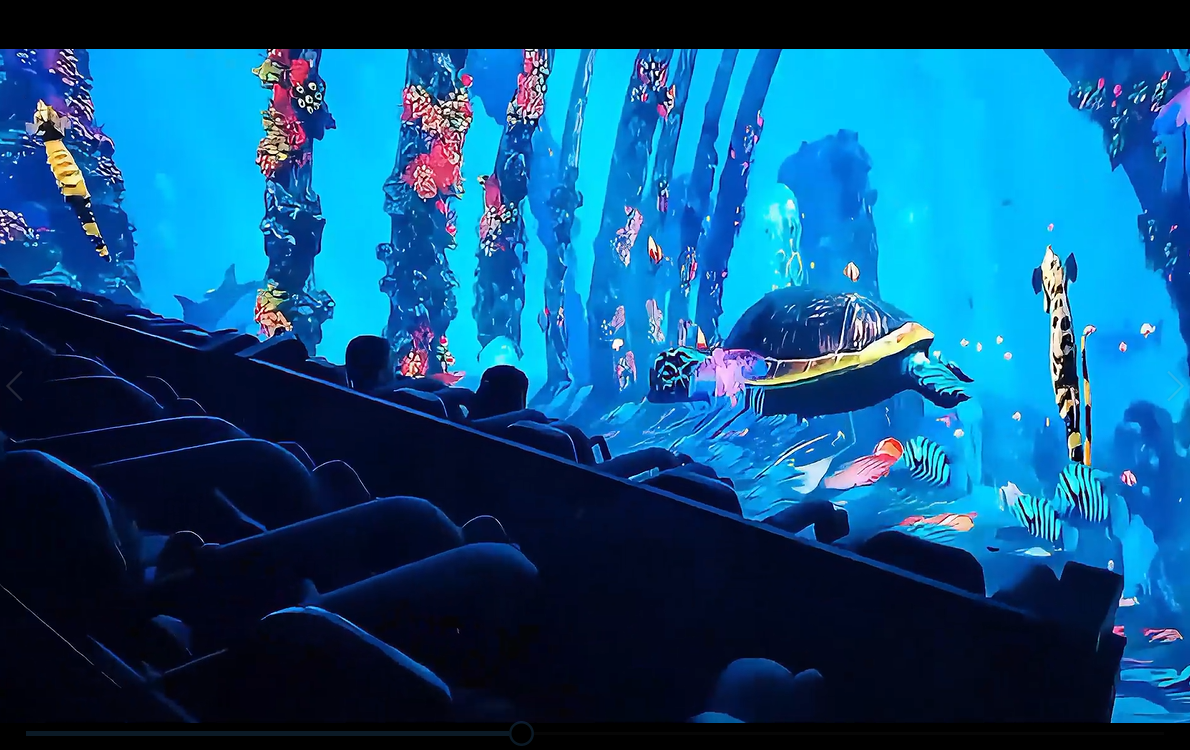
Start with the guest experience
Decide what visitors should experience during the ride. Are you planning a destination attraction built around a local story, an indoor entertainment experience for mall visitors, or an addition to an existing theme park? Each objective affects the presentation, queue design and content selection.
Also clarify the viewing format. A shared projection experience and a headset-based VR attraction have different equipment and operating requirements. Ask the supplier to describe exactly what guests see, how they are seated and how the motion system supports the film. Product names alone are not enough to compare two proposals.
Check the building before choosing the system
Provide a dimensioned floor plan, clear ceiling height, column locations and photographs of the proposed area. Include entrances, exits, delivery routes and any landlord restrictions. A room with sufficient floor area can still be unsuitable if the screen geometry, moving equipment or access route does not fit.
The equipment footprint is only one part of the space requirement. Allow for queuing, boarding, operator positions and maintenance access. Our flying theater equipment page introduces the product; the final arrangement needs to be reviewed against your actual building.
Compare capacity using the full operating cycle
Seat count does not tell you how many guests an attraction can serve in an hour. The operating cycle also includes boarding, restraint checks where applicable, the film, unloading and preparation for the next group.
For an early calculation, divide 60 by the complete cycle time in minutes, then multiply by the seats available per cycle. Treat the result as a theoretical estimate before allowances for empty seats, interruptions and operating breaks. Ask suppliers to explain the assumptions behind any capacity figure they provide.
A larger system can be appropriate for concentrated group arrivals, while a smaller configuration may suit a venue with more gradual demand. Compare expected arrivals and staffing needs before deciding that more seats will produce a better outcome.
Evaluate the content as part of the equipment
Request a representative film demonstration and information about the playback system, projection format and motion programming. The experience depends on how these elements work together, not simply on the resolution stated in a brochure.
Check what film rights are included, which titles are available for your system, how updates are delivered and whether custom content is a separate service. WowflyCinema offers a flying cinema film library and custom content services. Confirm the applicable deliverables and licensing terms in your project proposal.
Compare the complete supplier scope
Ask each supplier to identify what is included in design, equipment supply, installation, commissioning and training. Clarify which work remains with the venue owner or local contractors, including building preparation and local approvals.
After-sales arrangements also deserve attention. Request details of maintenance documentation, spare parts, warranty coverage and technical support. These commitments should be specific enough for your operating team to understand what happens when a component needs attention.
Prepare a brief that leads to a useful quotation
Send your project location, venue type, drawings, clear height, desired capacity, intended opening date and budget range. State whether you need one attraction or a broader entertainment package. If a requirement is flexible, say so; the supplier can then compare feasible options rather than design around an unnecessary constraint.
WowflyCinema provides turnkey flying cinema and entertainment solutions for different venue formats. Contact our team with your project brief to discuss a suitable configuration and the information needed for a proposal.
Frequently asked questions
Should I choose the largest system my room can fit
Not automatically. Queue space, boarding time, staffing, maintenance access and expected demand should all influence the decision.
Can a flying theater be planned for an existing building
It can be evaluated for an existing venue. Feasibility depends on the selected system and a review of the building dimensions, structure, access and services.
What should I request before placing an order
Request the proposed layout, equipment specification, scope of supply, exclusions, commercial terms and a project schedule with clear responsibilities.